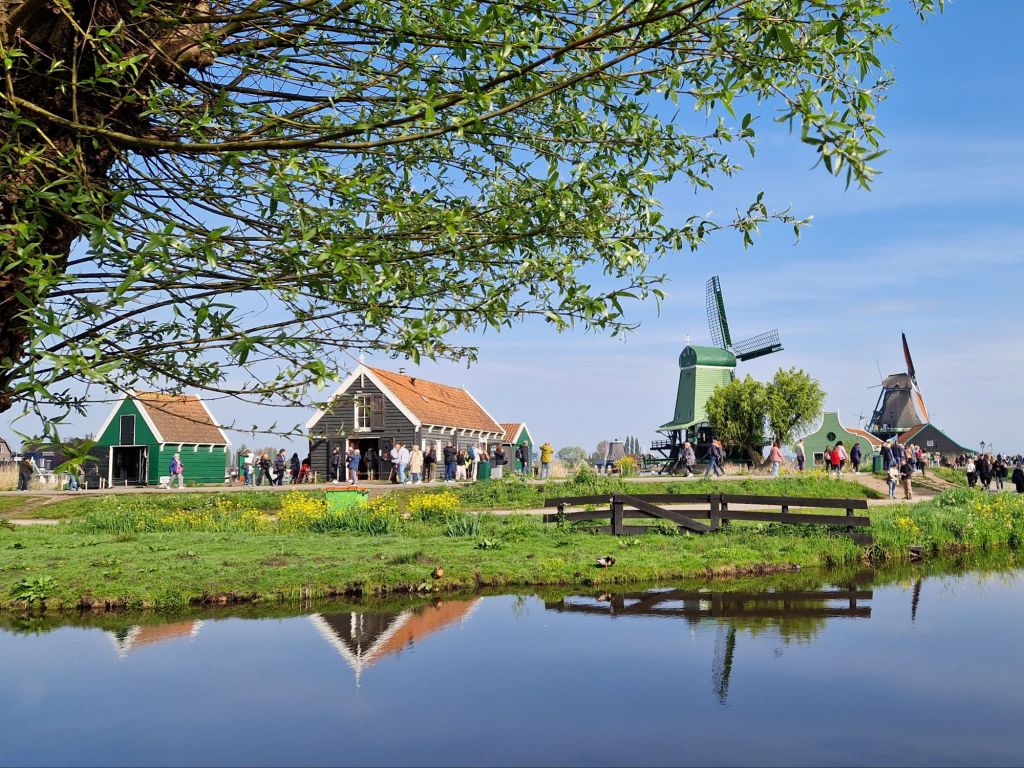
I stayed up later than I’d planned last night meeting and chatting with all the amazing girls in my hostel dorm, but even so, drifting off to the calming sounds of the nearby church bells, I still knew that despite the exhaustion and early start, today would be a good one. Just how good I slightly underestimated…
We’ll start with the first stop on my coach tour of the neighbouring Dutch countryside, Zaanse Schans, more colloquially known as the ‘Windmill Village’. As we drove closer and closer to the village, a lingering fog grew deeper and deeper until we couldn’t see a thing around us.
Oh dear.
All our guide, Anna Maria, could do was apologise as she spread her infectious energy and began her jokey, lighthearted and yet incredibly informative commentary. Seriously, I cannot fault this woman and her bright green umbrella in the slightest. She was awesome. In fact, the whole tour is more than worth the money, and I would definitely recommend it. But anyway, yes, the invisible windmills.
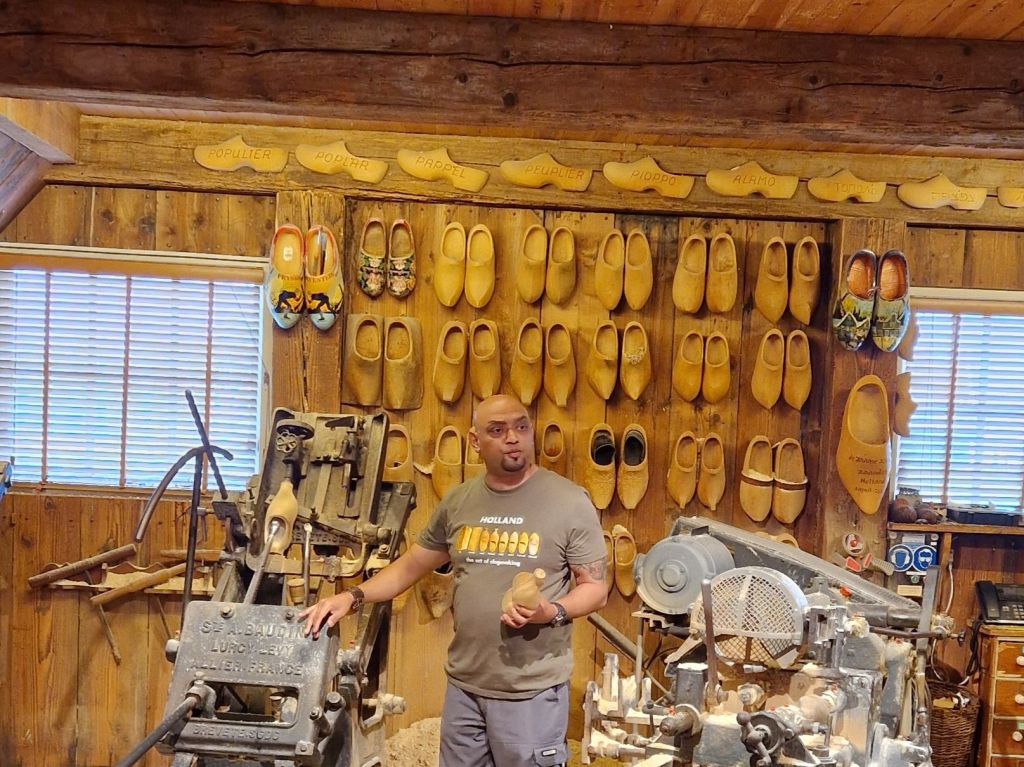
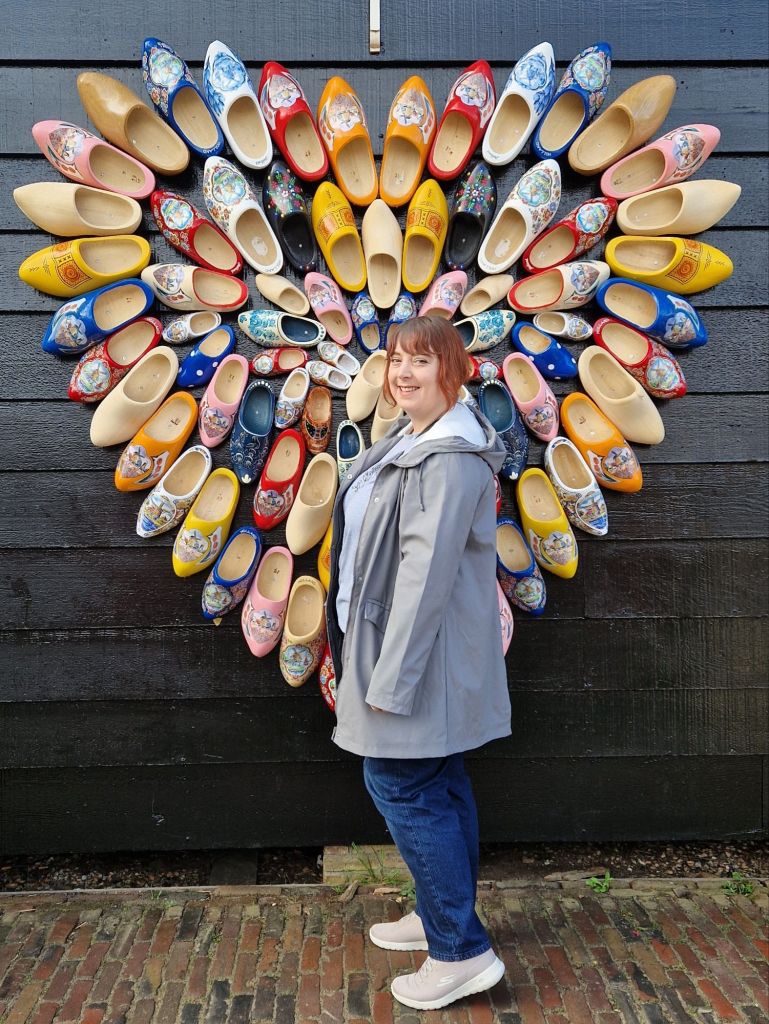
The fog still sat heavy as we pulled up, a moody blanket over sprawling greens. We headed straight indoors to a clog-making demonstration, which was utterly fascinating. Watching how quickly and perfectly both the large pieces of machinery and the craftsman worked was nothing short of mesmerising. The grinding of saw on wood drowned out any hushed conversation around me as from a regular chunk of wood, the initial shoe shape was formed. From there the man started hacking away at them himself.
Apparently, wooden clogs are strong, waterproof and insulated, making them a good working shoe. They were also historically used for proposals. The man would craft a wedding shoe and leave them in the entrance of the woman’s home. If she accepted, she would take them, but were the marriage unwanted or the shoes not considered acceptable in some way, they would instead be left.
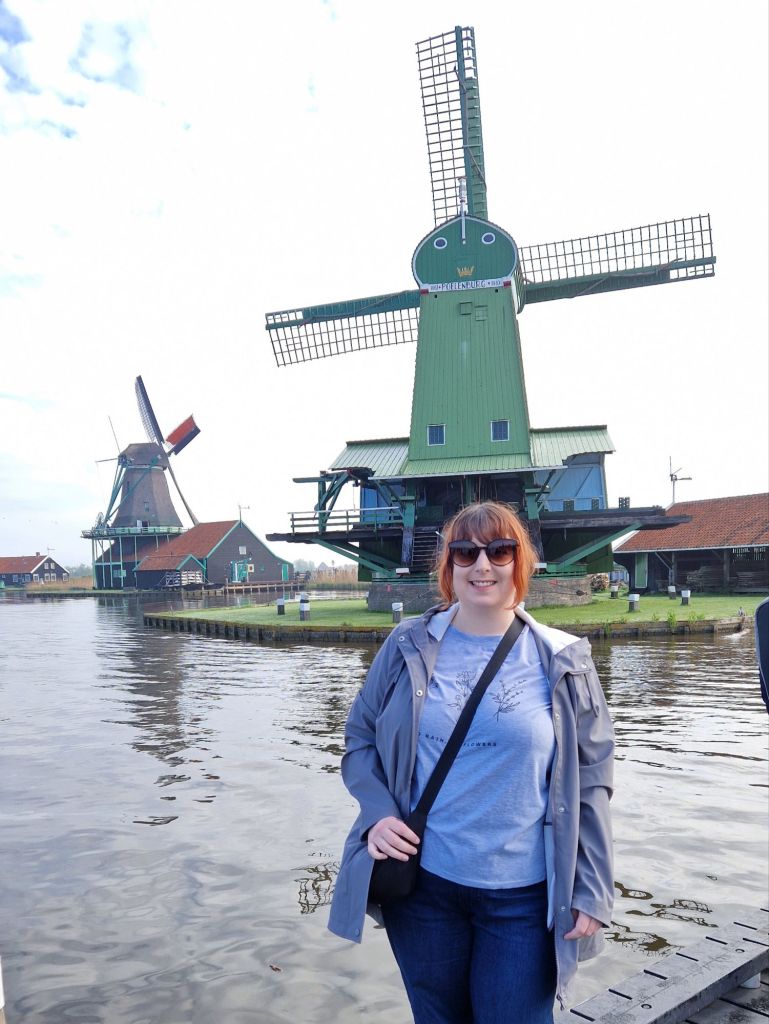
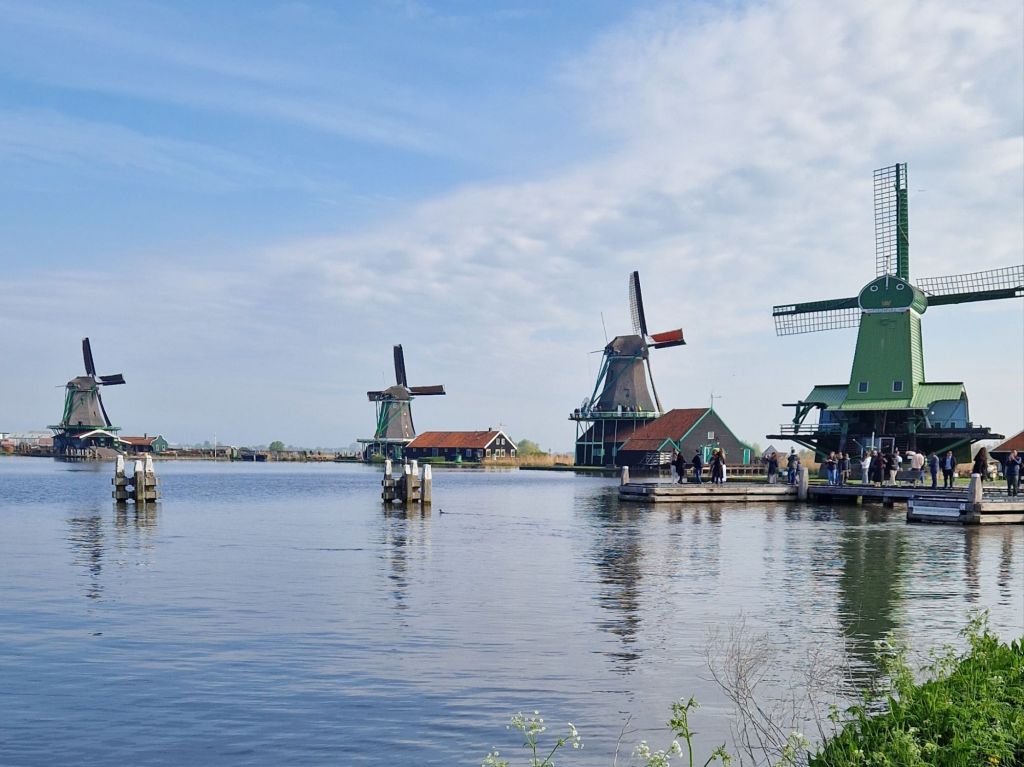
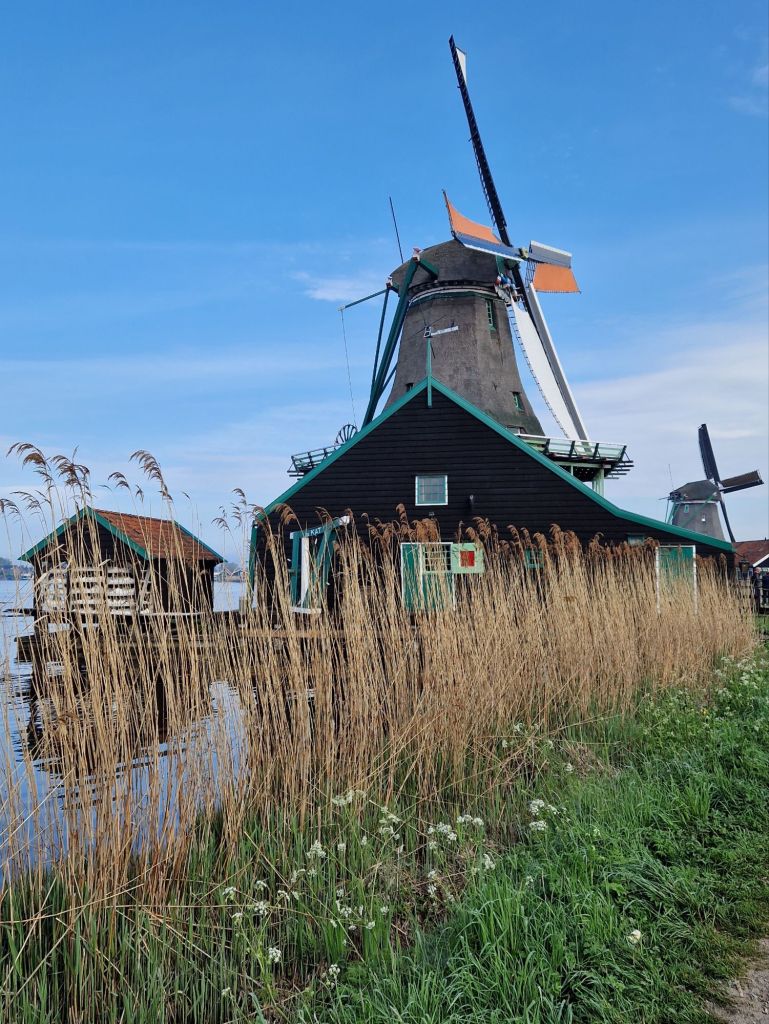
Resisting the temptation to buy a pair both for the sake of my bank balance and Anna’s firm warning that they are “Very, very, very, very uncomfortable”, I resolved to head back out into the eerie depths of the mist. Except there was none. A wispy sheet of white cloud hung over the mills’ sails but – crucially – they were now in full and spectacular view. A little wooden slice of peaceful paradise. Next task was catching other visitors’ attention for photographs in a typically awkward British fashion.
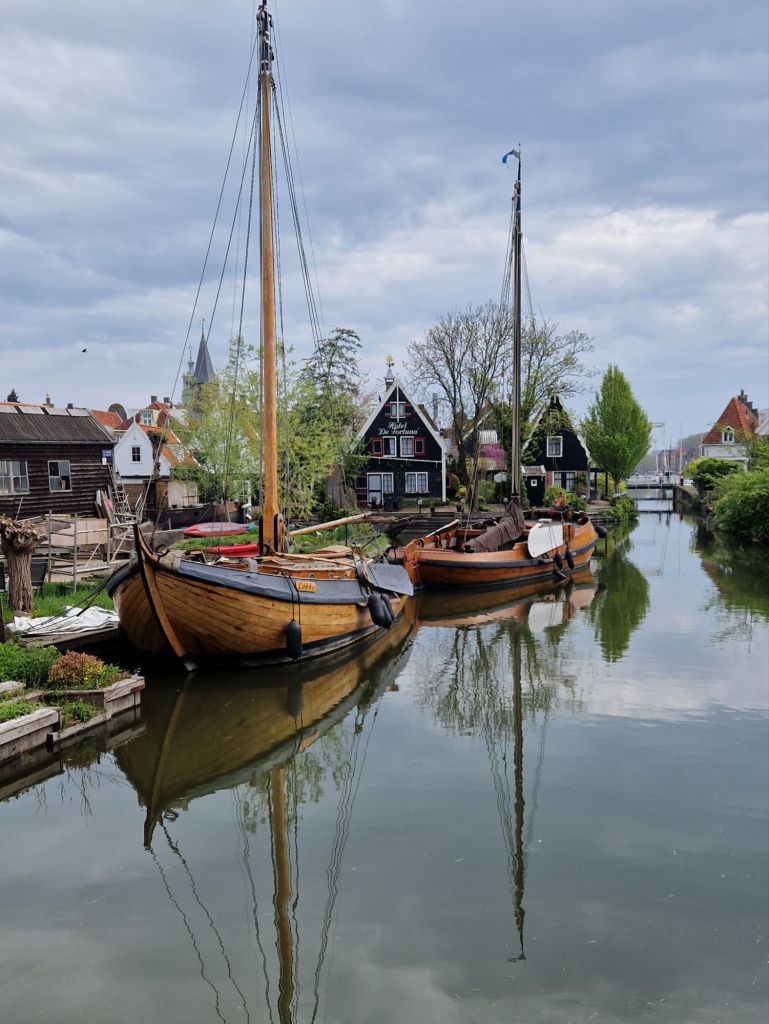
Second on the agenda was Edam, followed by a cheese tasting. Founded in the ninth century, Edam (E for the river; dam for the, well, dam) is another peaceful village which has seen its fair share of change throughout its lifetime. Though Edam has had its struggles, mostly with excess sediment that hindered trade in its waterways, it still boasts 33 docks and has a population of around 7500 people.
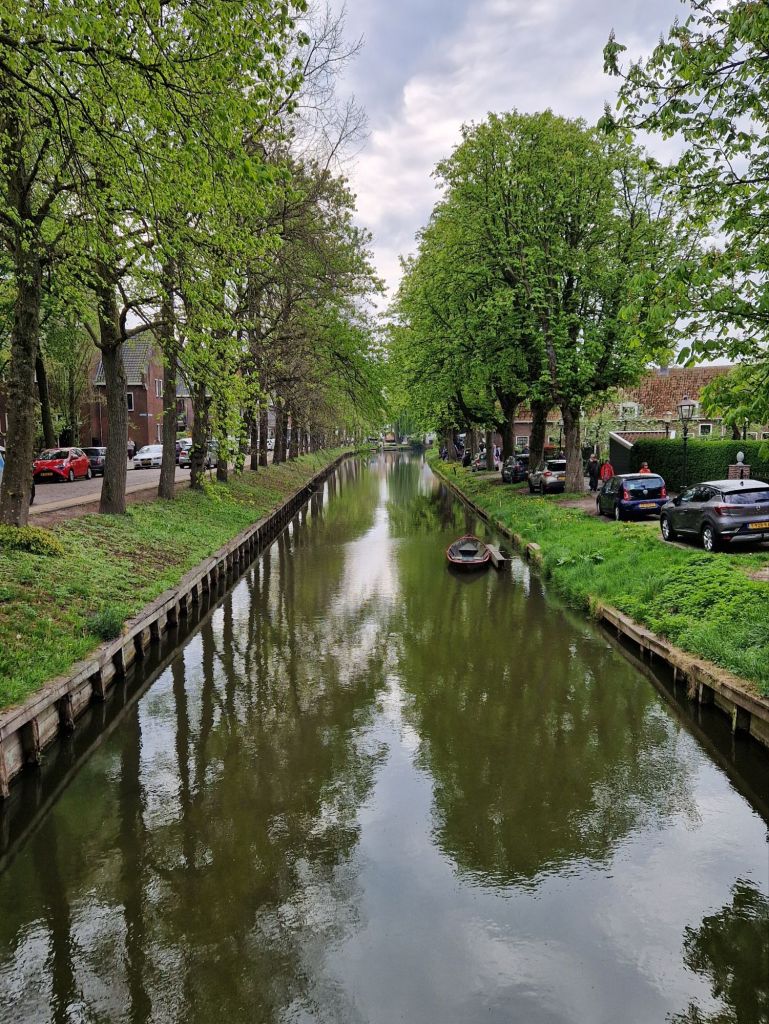
We wandered through town, soaking in its picturesque tranquility. We passed by the ‘Small Church’, and learned that you cannot enter as whilst the building itself must be preserved, it is not actually used as a religious building. The current owners run a sewing workshop out of it! We continued on until we found the ‘Big Church’ near where the coach was parked. Honestly, what fabulous naming abilities these people have!
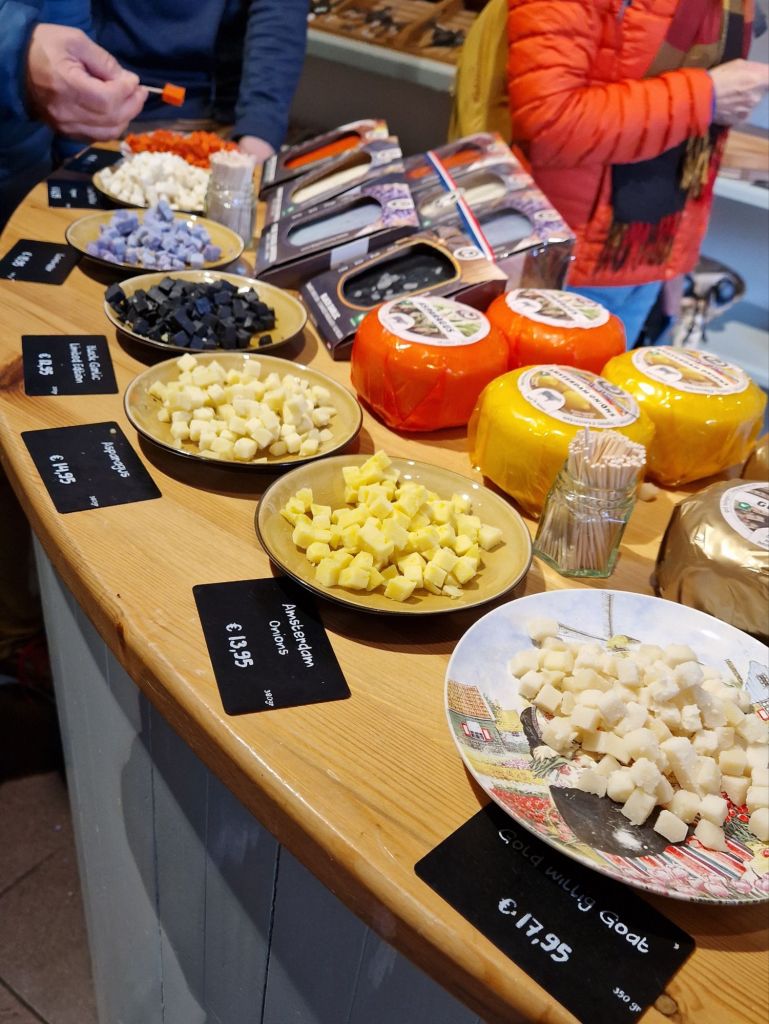
At cheese tasting we first had a small demonstration of how they make the cheese before a door opened to a sprawling room stocked to the ceiling with a dizzying array of different cheeses for both trying and buying. They stocked every flavour you could think of, from herbs to truffle, whisky, chilli and black garlic.
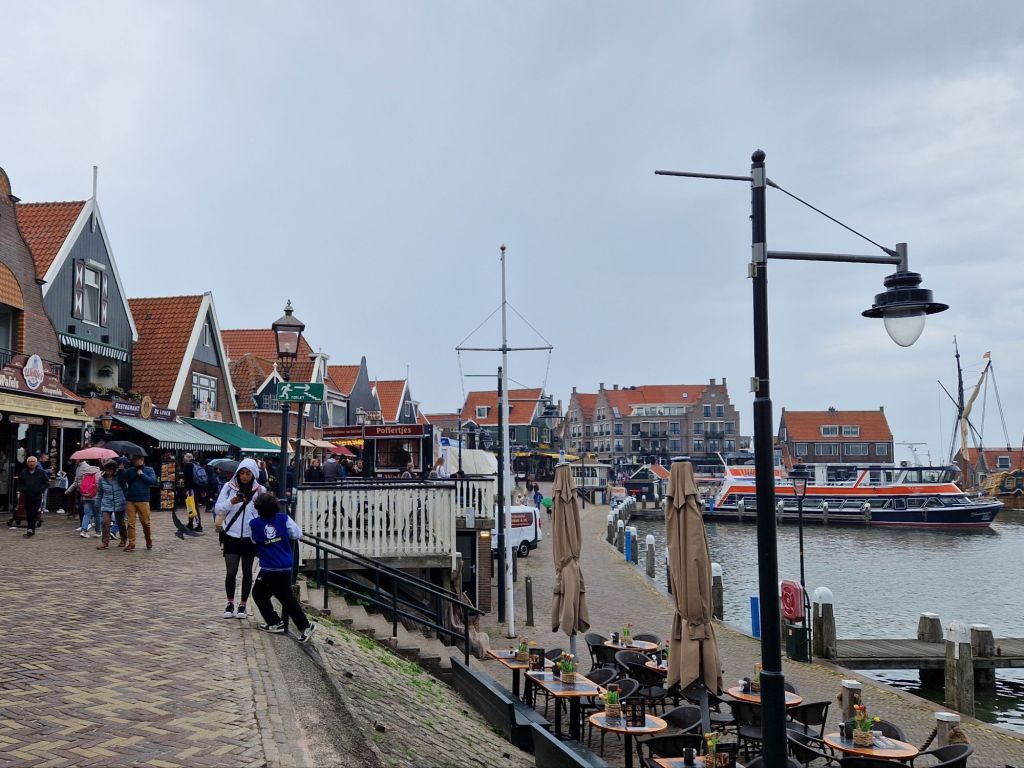
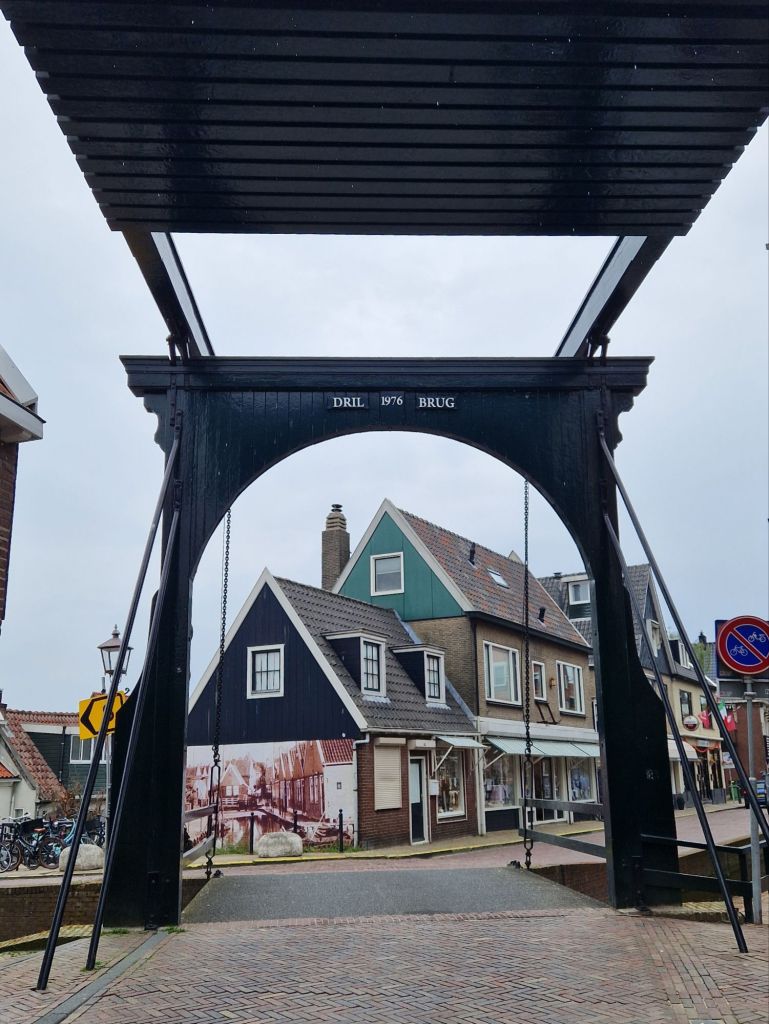
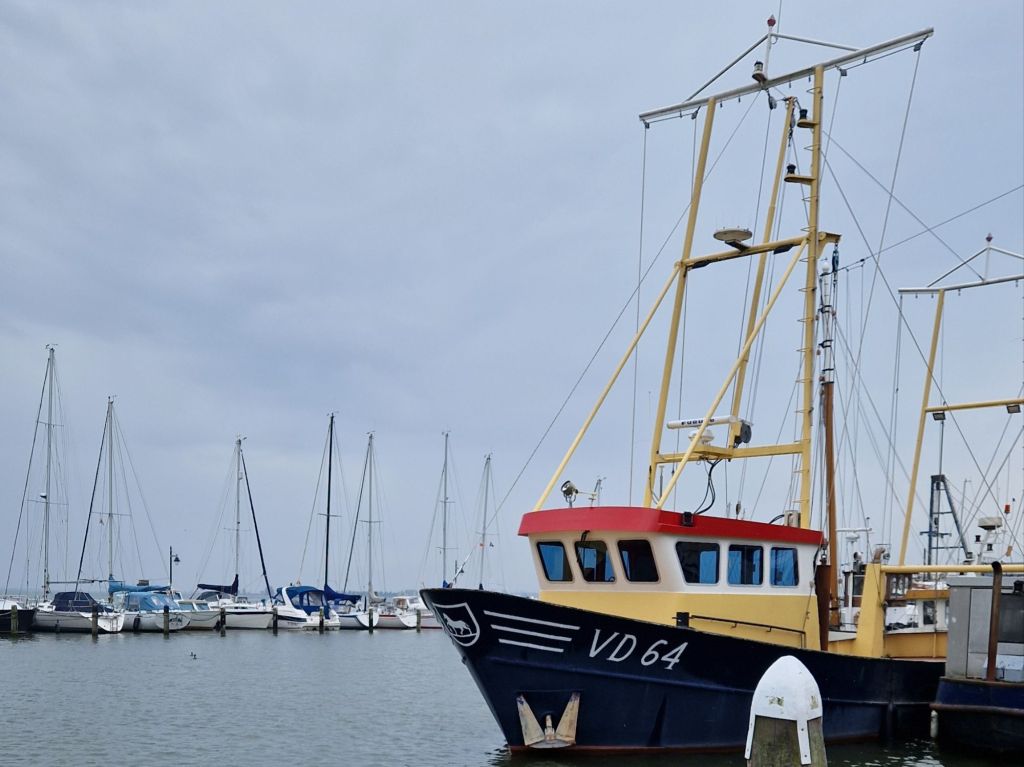
Back on the coach yet again we drove a little further, this time to the buzzy harbour of Volendam. The stop was plagued by rain, but that made it no less beautiful. The fishing village is a healthy hive of activity, with quieter stretches to get away from it all and listen to nothing but gently beating waves washing up against large sand banks. One interesting fact I learned from Anna is that the ‘sea’ here is actually an artificial lake boasting fresh water as opposed to the salt water you might expect to find. Again, mainly to prevent excess sediment from building and leading to flooding, as well as for the provision of drinking water.
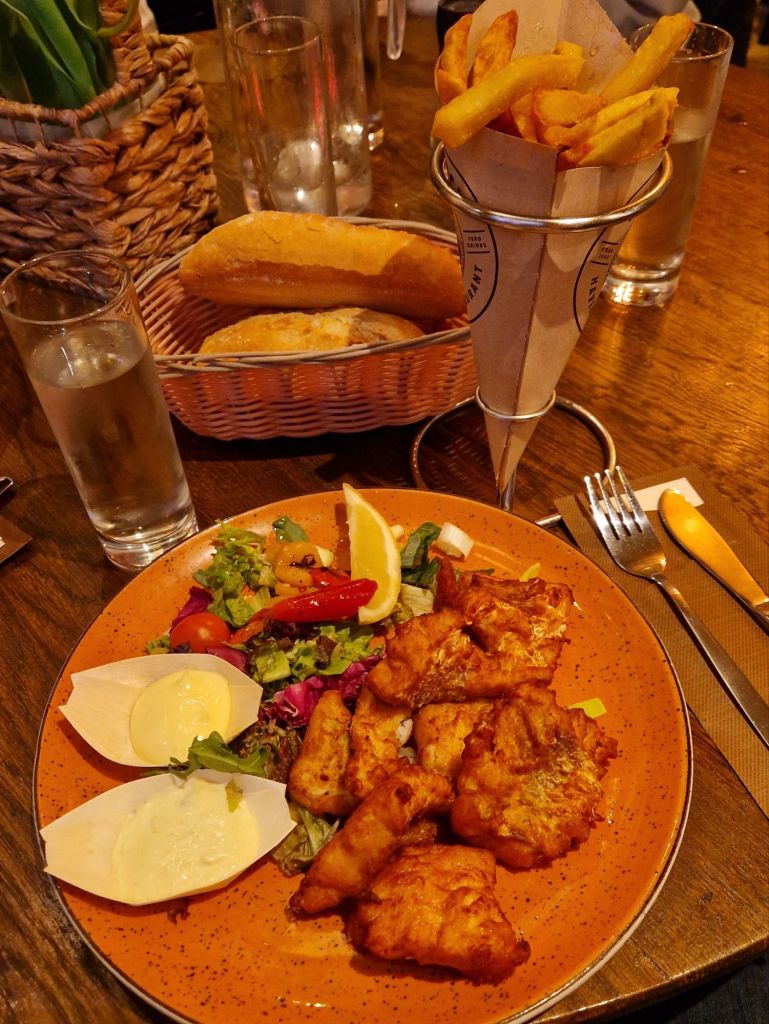
Volendam was our lunch spot and thankfully we were able to preorder at a restaurant the tour company is linked with, which saved A LOT of time we could instead spend exploring the village. Travelling on my own, I was seated at a table with two American couples from the trip with whom I bonded over a local delicacy of kibbeling. Kibbeling is basically nuggets of battered cod, making it perfect for me as a lover of the classic British fish and chips.
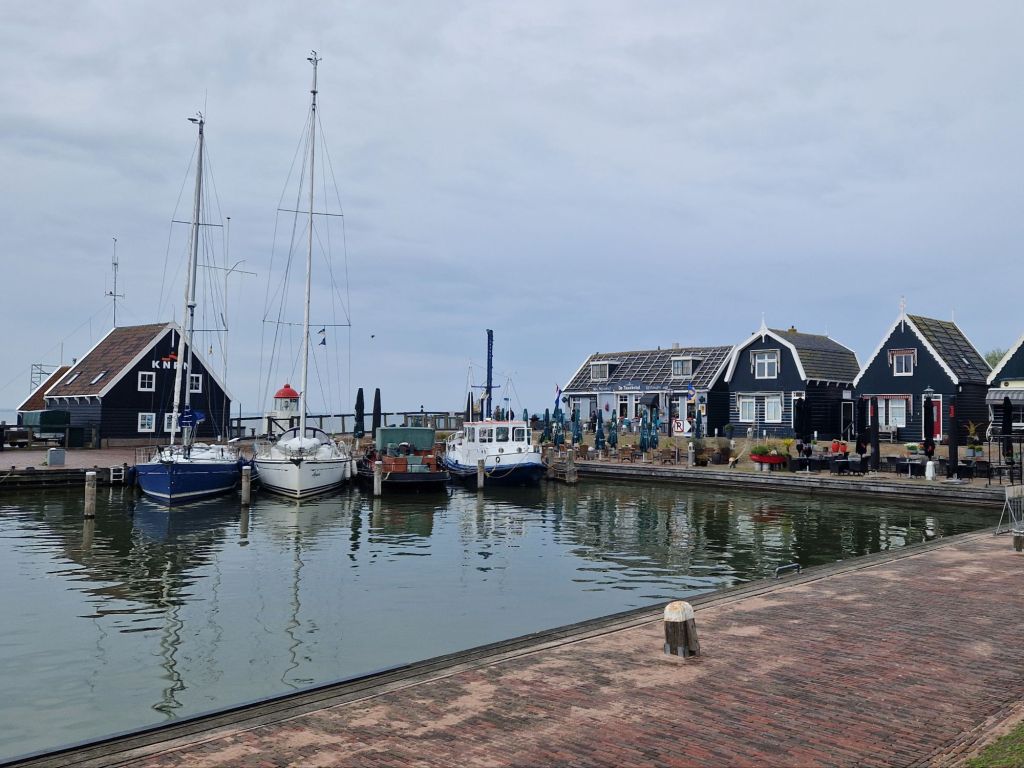
The tour ended in an even smaller village, the peninsula of Marken, home to a mere 1000 residents. Marken used to be an island before it was connected back to the mainland it was once a part of until the 12th century. We wound our way down past several residences, painted in the area’s characteristic dark green, navy blue and white hues, with a brick ground floor for protection followed by wooden upper floors for cost effectiveness.
Within minutes we’d reached the harbour, and I had been told it was small, but yeah, small is perhaps an overstatement. The harbour contains a scattering of bar/cafes, a public toilet block and a gift shop. And that’s pretty much it. They even have only a single bench everyone was silently fighting for territory over. Whilst I might consider this a somewhat unnecessary stop, it was still cute, and a hectic day concluded with a last burst of peaceful stillness as a single boat drifted gently into the harbour.

 Victoria's Voyage
Leave a Comment